

For Buyers
6 min read
The paper trail: LIMs, titles, and property files
Welcome again to our essential reads on Due Diligence for Developers, where in this last article of the series we are taking a closer look at LIMs, titles, and property files. In case you missed it - check out our previous article on infrastructure assumptions, here.
Before you get too far into feasibility or financing, it's vital to make sure the site's paperwork lines up with what's actually on the ground. If the council has a different view it can affect everything, from consent to resale.
A lot can be hidden behind fences and facades: illegal additions, old consent conditions, land covenants, or use rights that just don't exist anymore. You need to know what the council thinks is lawful, so as planner Michael Campbell says: "Sometimes what you perceive as being lawful, and what the council perceives, can be very different." So tread carefully.
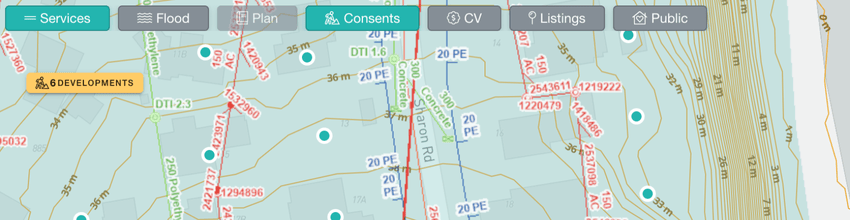
Quick scan first: Before ordering costly reports, start with Relab to check development constraints like services, contours, consents, zoning and street-view - all in one view. This helps you shortlist properties worth investigating further.
![Screenshot of Services and Consents overlay on contour view on Relab]()
LIM (land information memorandum): your first stop, provides council records on:
Property file: this is where the deep history lives:
Record of title: don't assume things like fences = boundaries, this will confirm:
Remember to start your due diligence with Relab - quickly scan for property risks and development constraints, then dig deeper into the properties that pass your initial checks. Our industry leading platform gives you instant access to thousands of property data points, helping you spot red flags that need deeper investigation through LIMs and property files.
So save yourself valuable time and give Relab a try - we offer a 14 day free trial so you can experience the full value of what we can offer. Get in touch!
Before you get too far into feasibility or financing, it's vital to make sure the site's paperwork lines up with what's actually on the ground. If the council has a different view it can affect everything, from consent to resale.
Why documentation matters
A lot can be hidden behind fences and facades: illegal additions, old consent conditions, land covenants, or use rights that just don't exist anymore. You need to know what the council thinks is lawful, so as planner Michael Campbell says: "Sometimes what you perceive as being lawful, and what the council perceives, can be very different." So tread carefully.
What you need
Quick scan first: Before ordering costly reports, start with Relab to check development constraints like services, contours, consents, zoning and street-view - all in one view. This helps you shortlist properties worth investigating further.
LIM (land information memorandum): your first stop, provides council records on:
- Building and resource consents
- Outstanding enforcement notices
- Flood hazards and designations
- Historic zoning or plan change overlays
Property file: this is where the deep history lives:
- Old plans and geotech reports
- Past consents and correspondence
- Evidence of illegal or incomplete work
- Floor layouts that may not match what's there
Record of title: don't assume things like fences = boundaries, this will confirm:
- Legal lot shape and boundaries
- Easements (e.g. shared access)
- Covenants (e.g. building restrictions or height controls)
- Limitations on the number of dwellings
Hidden traps to watch for
- Unlawful commercial use: just because a shop is operating doesn't mean it has the right consents in place
- Consent conditions: some come with ongoing obligations (e.g. hours of operation)
- Title covenants: can restrict relocatable dwellings or control architectural style
Sensible steps forward
- Start with a quick scan on Relab - to shortlist properties worth investigating
- Order a recent LIM and property file
- Review the record of title, especially easements and covenants
- Match what's on-site to what council has on record
- Talk to a planner or lawyer if anything looks off
Remember to start your due diligence with Relab - quickly scan for property risks and development constraints, then dig deeper into the properties that pass your initial checks. Our industry leading platform gives you instant access to thousands of property data points, helping you spot red flags that need deeper investigation through LIMs and property files.
So save yourself valuable time and give Relab a try - we offer a 14 day free trial so you can experience the full value of what we can offer. Get in touch!