
For Developers
14 min read
4 Innovative Ways Property Developers Can Use Virtual Reality
Imagine being able to walk around a house that hasn’t even been built yet. Opening doors, turning the lights on, getting a feel for the space…and it’s all inside a computer simulation. Interactive tours like this are just one awesome way that virtual reality can be used in the real estate industry. In this post, we have some ideas to help property developers use virtual (and augmented) reality to make planning, designing, and marketing their projects more intuitive and exciting than ever before.
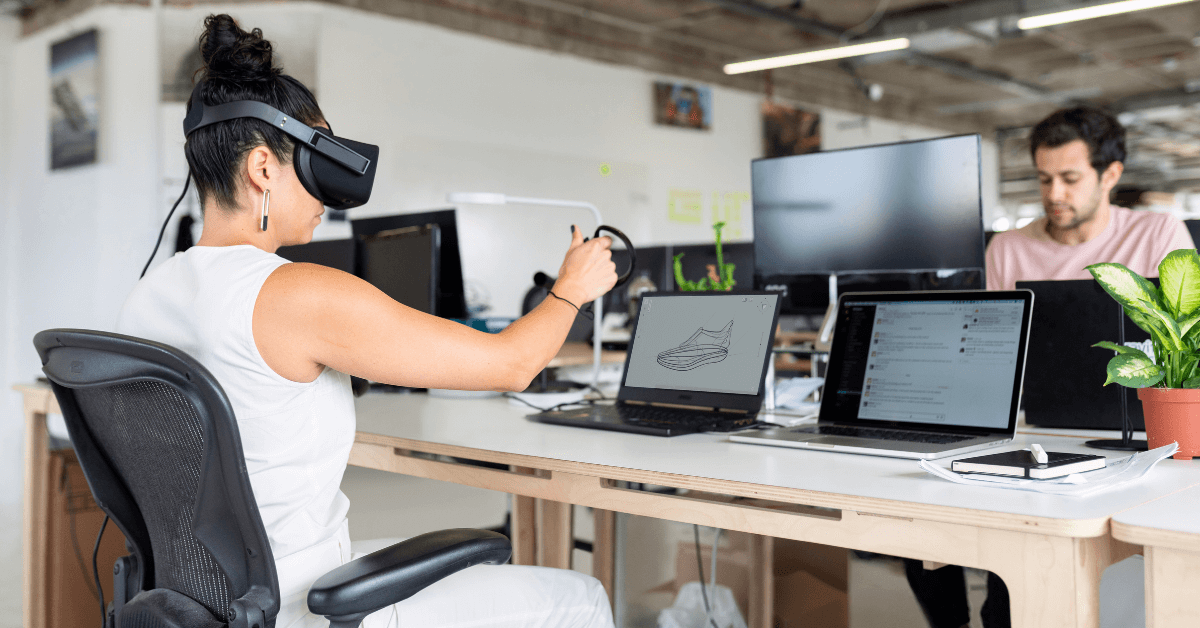
Virtual reality, also known as VR, is technology that allows you to “live” in a simulation. Rather than looking at a picture of something on a screen, you can put on a VR headset and actually experience it. You can look around, as well as pick up and use objects, just like you could in real life.
VR is currently used for entertainment, military training, as a coaching aid for athletes, and so much more. This technology is expected to get even more popular in the next few years, and the hardware is shifting from headsets to sleek eyeglasses or contact lenses.
You also may have heard of augmented reality (AR). Augmented reality is a lot like virtual reality, but it’s closer to real life. So, instead of entering a world that’s entirely simulated, you’ll see your actual surroundings - but with some changes. Apps that let you take a photo of a room and then change the colour of the walls or the decor are examples of augmented reality. And just like virtual reality, augmented reality has many great uses - from games to art to sports.
Lots of industries are finding great uses for virtual reality technology, and real estate is one of them. If you’re a property developer who is interested in virtual reality, here are a few ways that this technology could work for you.
Virtual or augmented reality plans can help you share ideas with your architect, designer, or builder. When your team can show you what they mean, rather than try to explain it, it can help your project go more smoothly. It also makes it easy to play around with various designs and compare what they look like.
You can start with a photo of an empty room and use an app to fill the room with furniture, paint the walls, and add other details. And if the room hasn’t been built yet, you can start with a render, rather than a photo. You could also work with a VR studio to create a full, 3D render of the property that viewers can “walk” through.
Filling a room with tasteful furniture is a great way to appeal to buyers and renters. Most real estate agents agree that staged homes tend to sell faster and at higher prices than unstaged homes. And while staging can be costly and take up time that you just don’t have, VR and AR are good ways to overcome these hurdles.
With the right software, you can generate images, tours and videos that show what the house will look like when all the finishing touches are complete. You’ll be able to assure buyers that the house will look great, even when building is still in progress. You also don’t need to spend any money on decor. This is a great way to get all the benefits of home staging at a fraction of the usual cost and effort.
Virtual tours are an awesome way to advertise homes. Benefits include:
The tour’s level of “virtualness” will depend on your preference and budget. Guided virtual tours are quite simple - these are just 360 degree videos that create an impression of being inside the property.
Interactive tours are a bit different. These allow viewers to choose where to move and what to look at. For the best effect, viewers should be able to interact with the tour, and do things like open windows and turn the lights on and off. These tours require more specialisation to create, but are very immersive and often very impressive.
Even once you’ve got people living in the property, VR and AR can be a good way to communicate with them. Instead of explaining features and utilities over text or phone call, VR or AR presentations can make this process much more streamlined. This can be especially useful for holiday rentals, which tend to have lots of tenants coming and going.
The simplest and cheapest way to involve this technology in your project is by trying out some apps. There are heaps out there, such as:
And if you want a professional rendering of your build, reach out to a local virtual or augmented reality studio. Many specialise in VR or AR for the real estate industry.
Virtual and augmented reality can play many key roles in a property development project. And while this technology isn’t strictly necessary for your build, it can be beneficial and lots of fun to experiment with! For more ideas for forward-thinking property developers, check out these great posts:
8 Tech Tools For Property Developers Who Want To Be The Best
What Will The Future Of Property Development Look Like?
Common Property Development Mistakes - And How To Avoid Them
What is virtual reality?
Virtual reality, also known as VR, is technology that allows you to “live” in a simulation. Rather than looking at a picture of something on a screen, you can put on a VR headset and actually experience it. You can look around, as well as pick up and use objects, just like you could in real life.
VR is currently used for entertainment, military training, as a coaching aid for athletes, and so much more. This technology is expected to get even more popular in the next few years, and the hardware is shifting from headsets to sleek eyeglasses or contact lenses.
And what is augmented reality?
You also may have heard of augmented reality (AR). Augmented reality is a lot like virtual reality, but it’s closer to real life. So, instead of entering a world that’s entirely simulated, you’ll see your actual surroundings - but with some changes. Apps that let you take a photo of a room and then change the colour of the walls or the decor are examples of augmented reality. And just like virtual reality, augmented reality has many great uses - from games to art to sports.
How can property developers use VR and AR?
Lots of industries are finding great uses for virtual reality technology, and real estate is one of them. If you’re a property developer who is interested in virtual reality, here are a few ways that this technology could work for you.
1. Collaborate with your team
Virtual or augmented reality plans can help you share ideas with your architect, designer, or builder. When your team can show you what they mean, rather than try to explain it, it can help your project go more smoothly. It also makes it easy to play around with various designs and compare what they look like.
You can start with a photo of an empty room and use an app to fill the room with furniture, paint the walls, and add other details. And if the room hasn’t been built yet, you can start with a render, rather than a photo. You could also work with a VR studio to create a full, 3D render of the property that viewers can “walk” through.
2. Easily stage homes
Filling a room with tasteful furniture is a great way to appeal to buyers and renters. Most real estate agents agree that staged homes tend to sell faster and at higher prices than unstaged homes. And while staging can be costly and take up time that you just don’t have, VR and AR are good ways to overcome these hurdles.
With the right software, you can generate images, tours and videos that show what the house will look like when all the finishing touches are complete. You’ll be able to assure buyers that the house will look great, even when building is still in progress. You also don’t need to spend any money on decor. This is a great way to get all the benefits of home staging at a fraction of the usual cost and effort.
3. Market effectively
Virtual tours are an awesome way to advertise homes. Benefits include:
- Marketing a property before it’s built. Your real estate agent can use VR and AR technology to find potential buyers while you’re still working on its construction. Being able to get the marketing and sale process underway early is more efficient, and can often give you some peace of mind about your project’s financial returns.
- Saving time. A real estate agent who has a VR headset can give buyers an immersive viewing experience of many homes, all from their office. No longer needing to schedule viewings or drive across town for them is much more convenient for everyone involved.
- Worldwide reach. Offering high quality virtual tours is a great way to appeal to buyers all over the world and expand your pool of buyers.
- Convenience in a pandemic. Of course, lockdowns can have a big impact on the real estate industry. Because VR tours can be done from anywhere, they’re pretty ideal for these uncertain times.
- Unique features. VR and AR technology offers a few cool things you just can’t do in the real world. For instance, many virtual tours allow you to toggle between times of day, so you can compare how the light hits a room in the morning versus in the afternoon.
The tour’s level of “virtualness” will depend on your preference and budget. Guided virtual tours are quite simple - these are just 360 degree videos that create an impression of being inside the property.
Interactive tours are a bit different. These allow viewers to choose where to move and what to look at. For the best effect, viewers should be able to interact with the tour, and do things like open windows and turn the lights on and off. These tours require more specialisation to create, but are very immersive and often very impressive.
4. Help out your tenants
Even once you’ve got people living in the property, VR and AR can be a good way to communicate with them. Instead of explaining features and utilities over text or phone call, VR or AR presentations can make this process much more streamlined. This can be especially useful for holiday rentals, which tend to have lots of tenants coming and going.
How to get started with VR and AR for property development
The simplest and cheapest way to involve this technology in your project is by trying out some apps. There are heaps out there, such as:
- RealAR - converts floor plans into 3D walkthroughs.
- Rooomy - allows you to virtually stage a room and compare different furnishings.
- Dulux Colour App - “paints” a room so you can decide on the best shade.
- AirMeasure - lets you measure anything, using just your phone.
And if you want a professional rendering of your build, reach out to a local virtual or augmented reality studio. Many specialise in VR or AR for the real estate industry.
Virtual and augmented reality can play many key roles in a property development project. And while this technology isn’t strictly necessary for your build, it can be beneficial and lots of fun to experiment with! For more ideas for forward-thinking property developers, check out these great posts:
8 Tech Tools For Property Developers Who Want To Be The Best
What Will The Future Of Property Development Look Like?
Common Property Development Mistakes - And How To Avoid Them