
For Developers
7 min read
Commercial vs. Residential - how to select your first property development project
When choosing between a commercial or residential development, you need to consider a range of factors before deciding which is the best option for you.
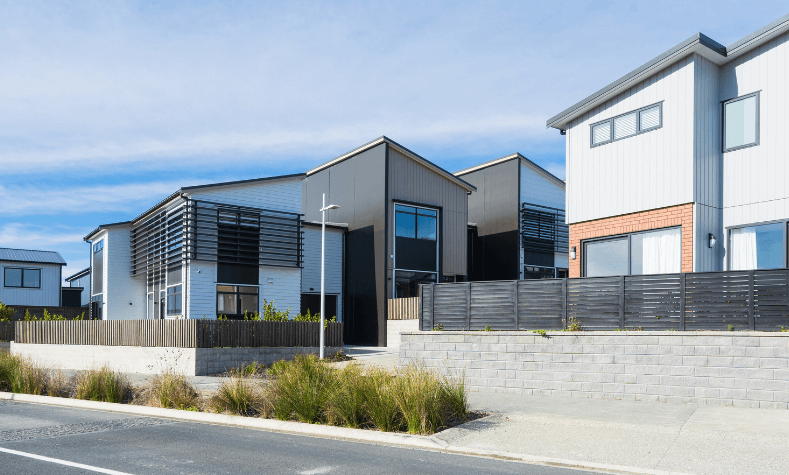
If you're looking at a commercial development, you will be primarily focused on a business's need for physical premises - offices, retail, warehouses, and industrial buildings. In contrast, residential development includes apartment buildings, unit complexes, and housing subdivisions to be sold on to homebuyers and investors.
As with most things in the world of real estate, location is key. This is exploring things such as size, proximity to transportation, and nearby services, as well as taking geographical considerations into account - like soil type, the natural environment, land contour, site accessibility, required groundworks, etc.
All of these aspects will have an impact on what kind of development could be appropriate for the site.
Permissions for land use will also affect your decision-making, as local councils have regulations around what land can be used for, along with specific provisions for the type of development.
You'll need to have an understanding of land covenants, titles, and resource consent framework to identify the type of development that could be constructed within the conditions of council by-laws.
You will likely have a plan in mind for how long you want a project to take (with allowances for delays).
By having a clear understanding of your timeline, it will allow you to narrow your focus on what development will fit into that scope. For example, an apartment building could be many years in the making versus a commercial warehouse that may only take 6 to 12 months.
There are a number of considerations that need to be made in terms of how a development will be financed, and it is important to see how lending is positioned, whether it is for a residential or commercial project.
There are also tax implications to be aware of - such as depreciation, Brightline, GST, and interest deductibility.
Typically, greater capital is required for commercial ventures - with longer application and approval processes.
A return on investment is a critical element of exploring development opportunities.
Unfortunately, there's no short answer as to which provides the better ROI between commercial and residential - each project is unique, and the outcome will depend on the location, investment requirements, market fluctuations, and other influences.
But that doesn’t mean you can’t gain considerable insights into which may prove more viable for your investment.
In many circles, residential development is seen as a 'safer,' less risky option. There is always a need for new housing, which in most cases will mean you will be able to sell what you develop for a profit. But as a counter to this, some will say that commercial development offers a better profit in the long term, with the potential for higher yields.
Of course, it is important to identify the demand for any potential development - whether than be commercial or residential. Careful analysis should uncover if there is a need for what you're going to develop, and if so, ensure you will be able to deliver what the market is looking to buy/lease?
And don't forget to do your due diligence to identify any potential competitors/other projects that could jeopardise profit from your development. Another subdivision in a more desirable location could impact the value of your land, or a future transport link could divert traffic away from your commercial property.
The above is a very basic look at some of the foundations needed for a development project.
And if you are in the initial planning phase, we can help. Check out some of the property data tools we offer developers all over New Zealand, and you can see on Relab right here. And better yet, you can trial our full pro-user plan for free!
If you're looking at a commercial development, you will be primarily focused on a business's need for physical premises - offices, retail, warehouses, and industrial buildings. In contrast, residential development includes apartment buildings, unit complexes, and housing subdivisions to be sold on to homebuyers and investors.
Here's a look at the key points you should start with before moving on to the next stage of the decision-making process
Location
As with most things in the world of real estate, location is key. This is exploring things such as size, proximity to transportation, and nearby services, as well as taking geographical considerations into account - like soil type, the natural environment, land contour, site accessibility, required groundworks, etc.
All of these aspects will have an impact on what kind of development could be appropriate for the site.
Council
Permissions for land use will also affect your decision-making, as local councils have regulations around what land can be used for, along with specific provisions for the type of development.
You'll need to have an understanding of land covenants, titles, and resource consent framework to identify the type of development that could be constructed within the conditions of council by-laws.
Timeline
You will likely have a plan in mind for how long you want a project to take (with allowances for delays).
By having a clear understanding of your timeline, it will allow you to narrow your focus on what development will fit into that scope. For example, an apartment building could be many years in the making versus a commercial warehouse that may only take 6 to 12 months.
Lending
There are a number of considerations that need to be made in terms of how a development will be financed, and it is important to see how lending is positioned, whether it is for a residential or commercial project.
There are also tax implications to be aware of - such as depreciation, Brightline, GST, and interest deductibility.
Typically, greater capital is required for commercial ventures - with longer application and approval processes.
ROI
A return on investment is a critical element of exploring development opportunities.
Unfortunately, there's no short answer as to which provides the better ROI between commercial and residential - each project is unique, and the outcome will depend on the location, investment requirements, market fluctuations, and other influences.
But that doesn’t mean you can’t gain considerable insights into which may prove more viable for your investment.
In many circles, residential development is seen as a 'safer,' less risky option. There is always a need for new housing, which in most cases will mean you will be able to sell what you develop for a profit. But as a counter to this, some will say that commercial development offers a better profit in the long term, with the potential for higher yields.
Demand
Of course, it is important to identify the demand for any potential development - whether than be commercial or residential. Careful analysis should uncover if there is a need for what you're going to develop, and if so, ensure you will be able to deliver what the market is looking to buy/lease?
And don't forget to do your due diligence to identify any potential competitors/other projects that could jeopardise profit from your development. Another subdivision in a more desirable location could impact the value of your land, or a future transport link could divert traffic away from your commercial property.
The above is a very basic look at some of the foundations needed for a development project.
And if you are in the initial planning phase, we can help. Check out some of the property data tools we offer developers all over New Zealand, and you can see on Relab right here. And better yet, you can trial our full pro-user plan for free!